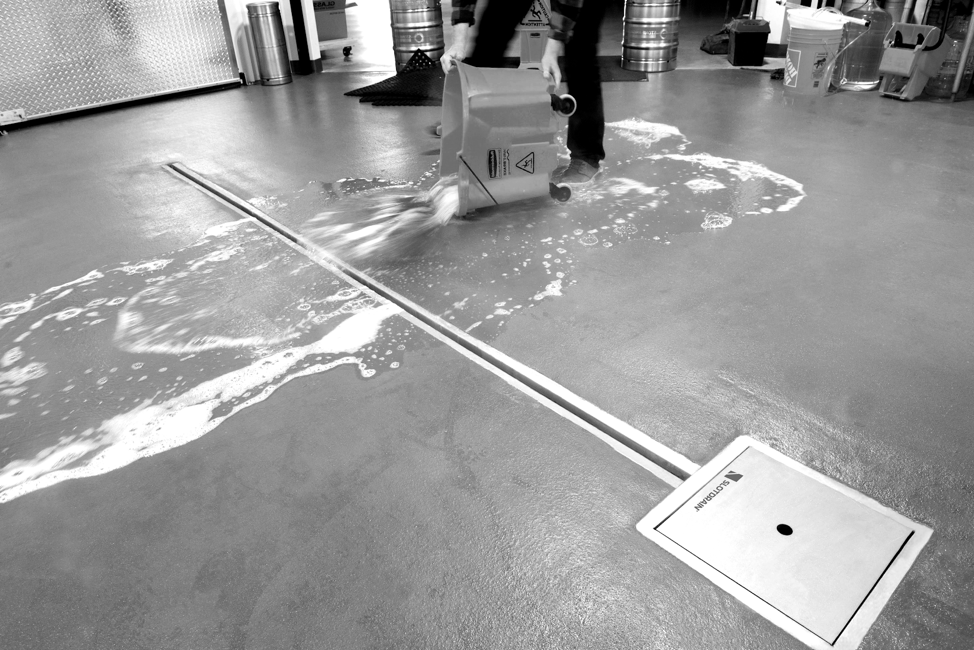
The sanitation of floor drains too often receives little attention, falling victim to an "out of sight, out of mind" mentality. Yet, neglecting them is a leading cause of contamination at food production facilities. Leaving companies open to legal and reputational damage caused by tainted product.
Currently, the regulatory environment is marked by deregulation and a downsized inspection workforce. This leaves businesses exposed to potentially devastating consequences but it also presents opportunities. A shift is taking place away from bureaucratic government oversight and towards industry driven solutions. Allowing companies to achieve food safety compliance through proactive, rather than reactive strategies.
Root Cause of Contamination
Poorly designed or hard-to-clean drains are the root cause of many food contamination incidents, with research consistently showing that over 80% of positive bacterial tests in plants can be traced back to drains and floor areas.
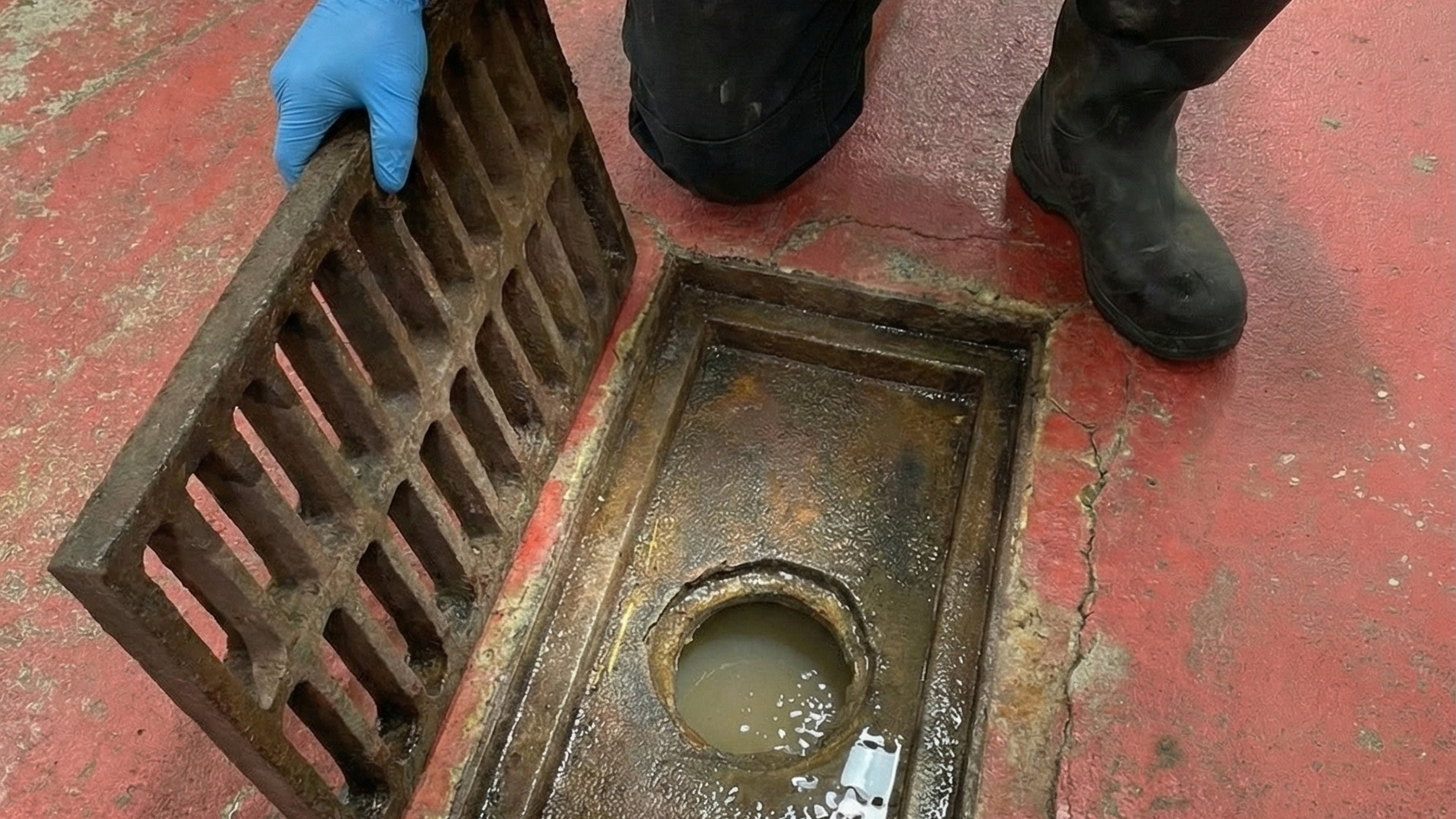
Harmful bacteria lurk within the drains or in cracks where the drains meet the surrounding floor. Once bacteria seep into the porous concrete, even strong disinfectants like bleach cannot completely eradicate them. The contamination can quickly spread throughout the facility, posing significant health risks and financial consequences.
Practical, Cost-Effective Solutions
Fortunately, addressing these risks isn't complex or expensive. Modern drain systems, designed to resist bacterial buildup and simplify maintenance, provide a proactive solution. These advanced systems enhance hygiene, reduce labor costs, and streamline cleaning processes, delivering a strong return on investment while safeguarding the facility.
A Cultural Shift: Recognizing Drains as Essential Equipment
In food processing facilities, addressing the risks associated with floor drains requires a fundamental shift in perspective. Drains are prime breeding grounds for bacteria, providing dark, damp conditions perfect for microbial growth—akin to a laboratory cultivating cultures under ideal conditions.
To combat these risks, sanitary drains must be treated with the same level of importance as other critical equipment, such as food contact surfaces and conveyors. In a food processing environment, a drain is far more than just another structural feature like a wall or ceiling—it is essential equipment. When properly designed, installed and maintained, drains are vital to maintaining hygiene standards and ensuring smooth, efficient operations.
Food Safety Culture
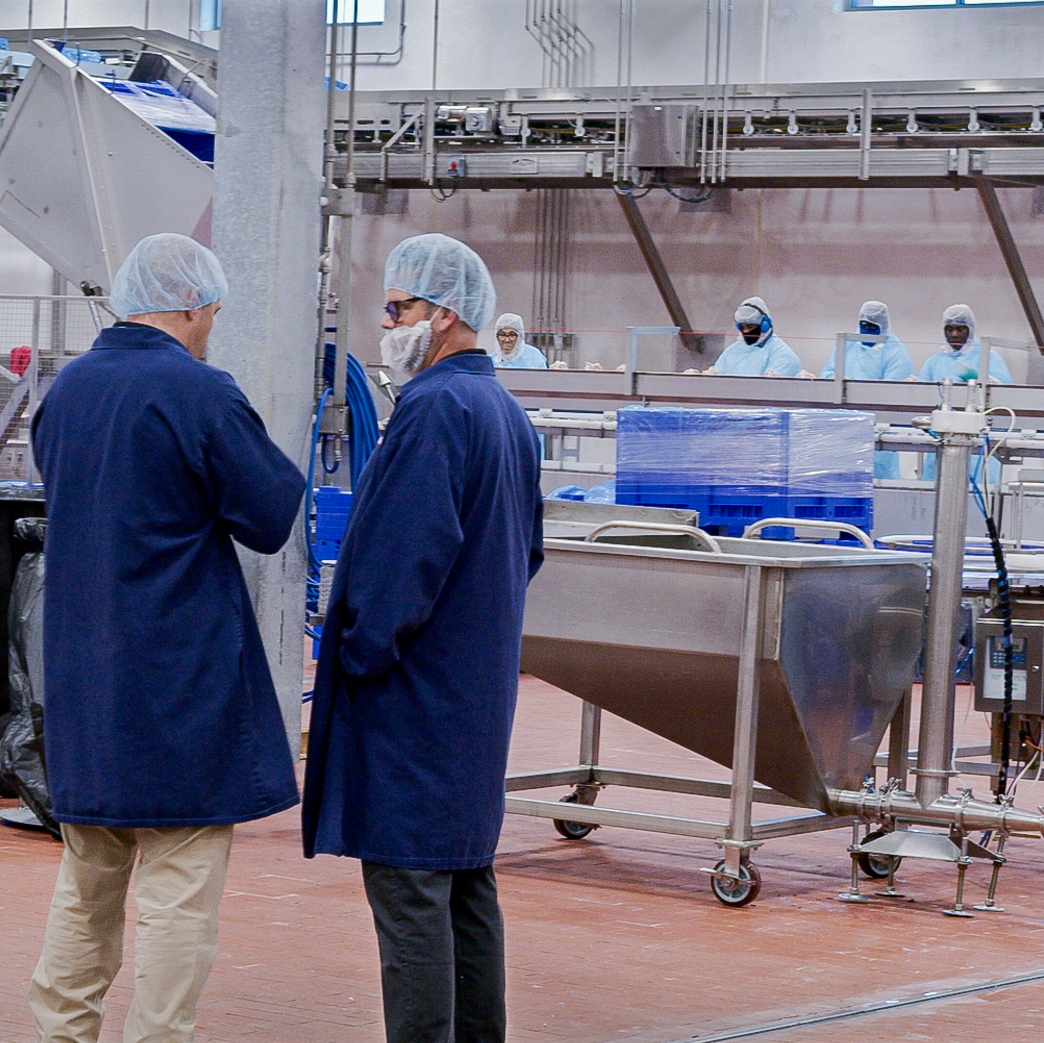
In the food and beverage industry, there’s growing recognition that building a strong food safety culture is essential to protecting consumers and achieving operational excellence. This culture must flow through every level of the organization, from management to floor staff. Clean, well-maintained drains may seem like a small detail, but they symbolize an organization’s commitment to safety and set the tone for a workplace where every employee understands their role in safeguarding food products.
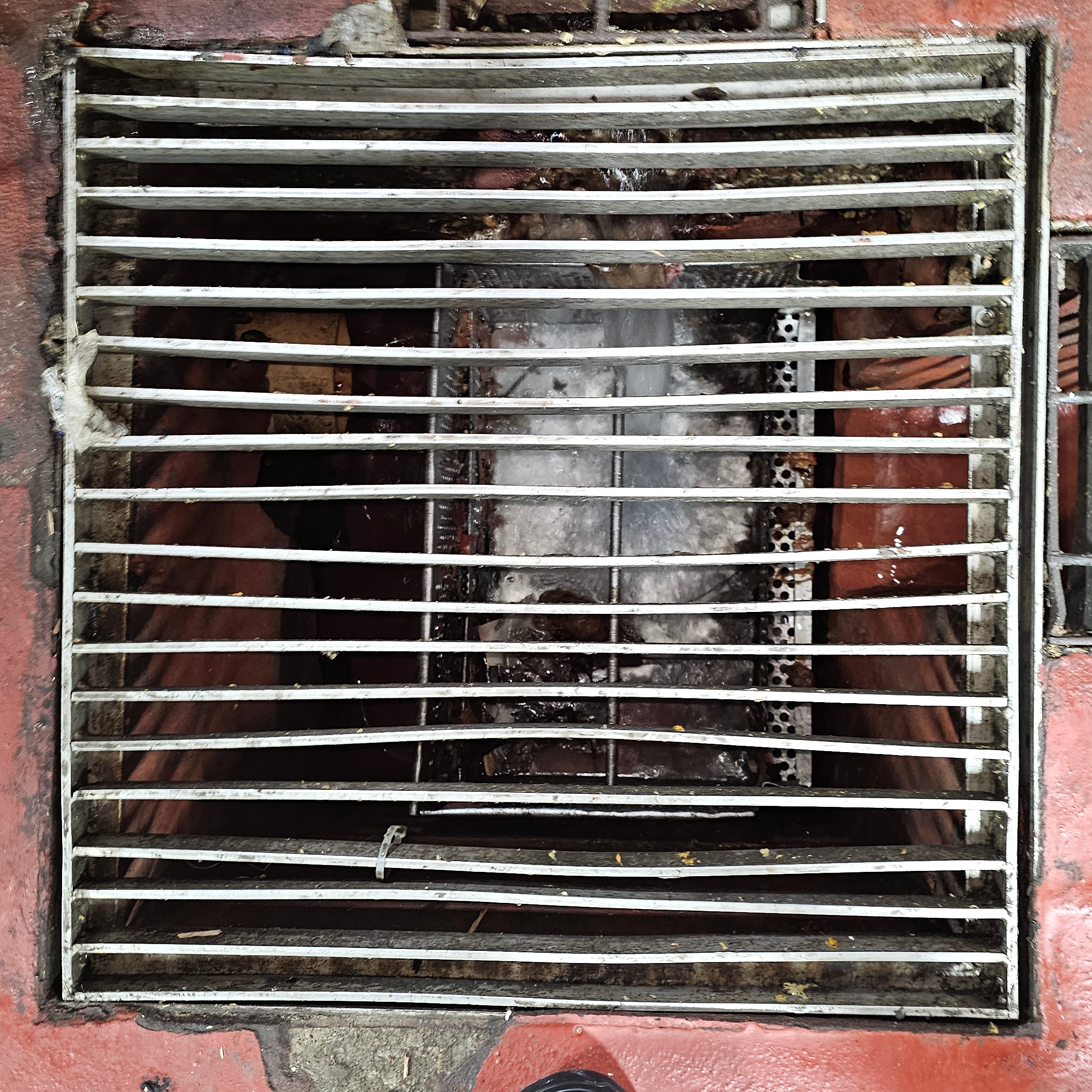
A dirty, neglected drain sends a loud message: food safety isn’t a priority. These often-overlooked areas can undermine even the strongest training programs and policies. Employees notice these details, and if visible hygiene issues are ignored, it can weaken their commitment to maintaining a strong safety culture.
The Drainage Evaluation Program
Selecting the right drainage system is crucial for ensuring cleanliness, efficiency, and food safety in production facilities. However most food producers are not experts in drainage, they are experts in their chosen field. To meet the needs of legacy facilities that require drainage modernization, FoodSafe Drains created the Drainage Evaluation Program (DEP).
The DEP delivers an assessment and evaluation of current drainage usage covering drain types, installation methods, and maintenance to address improvements and optimization of drainage performance in manufacturing and processing facilities. The final report includes actionable programs and steps necessary to execute on valuation recommendations.
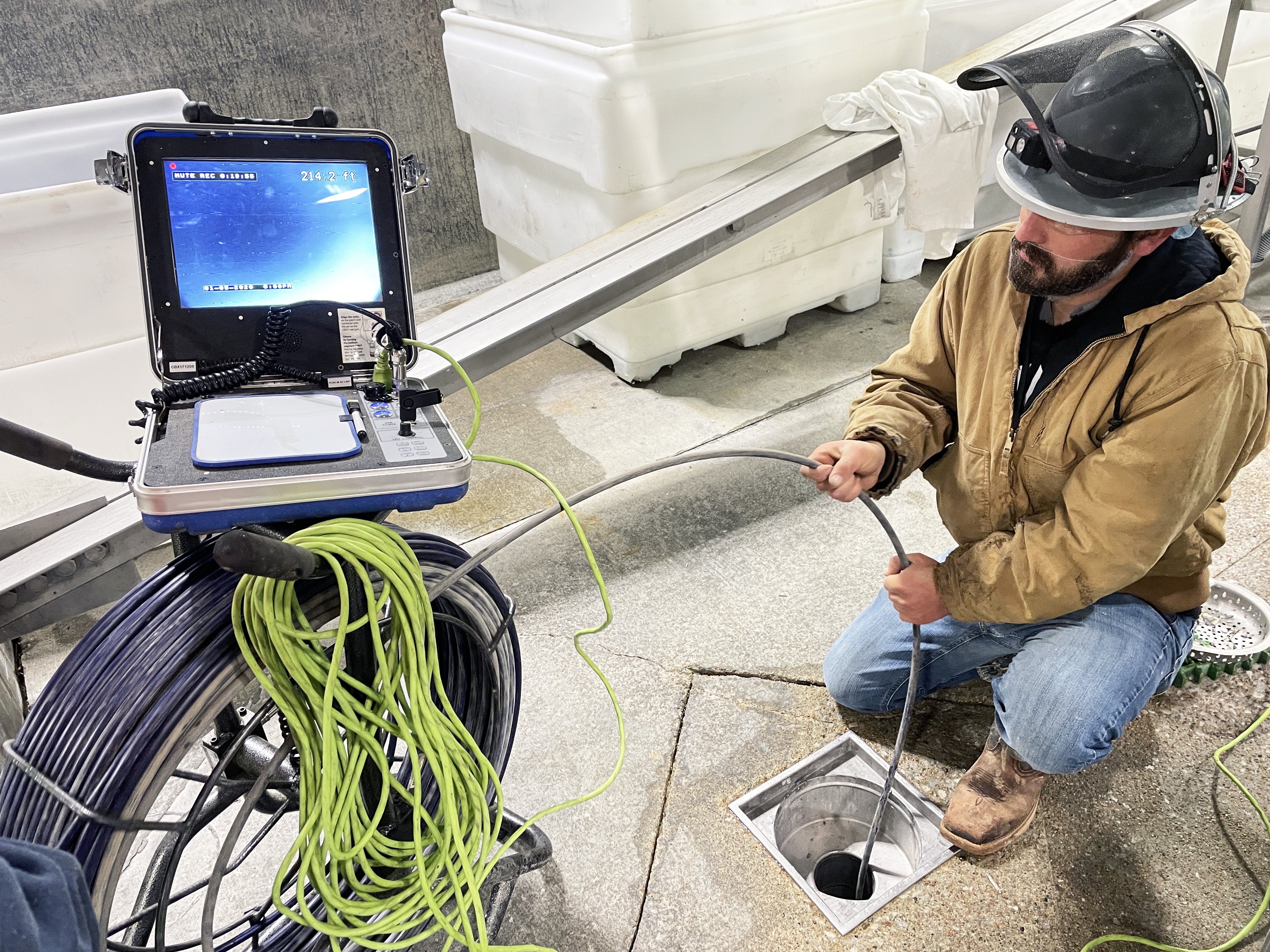
The DEP is custom tailored to the needs of each individual facility with recommendations that meet the realities on the ground while positioning customers for better drainage outcomes. This could be as simple as replacing strainer baskets throughout the facility and developing cleaning SOP’s or it could be as complicated as a full plant shutdown and excavation process.
However the reality is that most plants cannot perform a full extended shutdown. Many plants operate 24 hours a day and the cost of stopping production is what has led to the current state of affairs. For these customers the DEP recommends a phased approach carving out sections of the plant during short shutdown periods (often over a weekend) and doing retrofit and repair work in the time allotted.
This work is done in conjunction with Global Drain Technologies Alliance Partner Network. The network provides trusted local contractors who are qualified and have the capacity to carry out the work required on tight timelines. The lead contractor works with a dedicated project manager to prepare drains for phased delivery to meet client needs and ensure positive outcomes.
While no two plants are the same our team of engineers has the experience to look at your facility holistically including existing floor slopes, processing equipment and underground piping and come up with a plan that maximizes both productivity and sanitation. This relies heavily on our right drain right area approach which matches a range of drains like area drains, trench drains and slot drains with processing zones, equipment and workflows to ensure hygienic and safe outcomes for your facility.
Sanitary Drain Systems: The Foundation of Food Safety
Floor drains are often the hidden weak link in food safety, yet their impact on contamination risk is profound. As research and industry experience show, poorly designed or inadequately maintained drains are a primary source of persistent pathogens, posing threats to both public health and a facility’s reputation. In today’s environment of evolving regulations and increased production demands, relying on outdated drainage systems or reactive cleaning protocols is no longer sufficient.
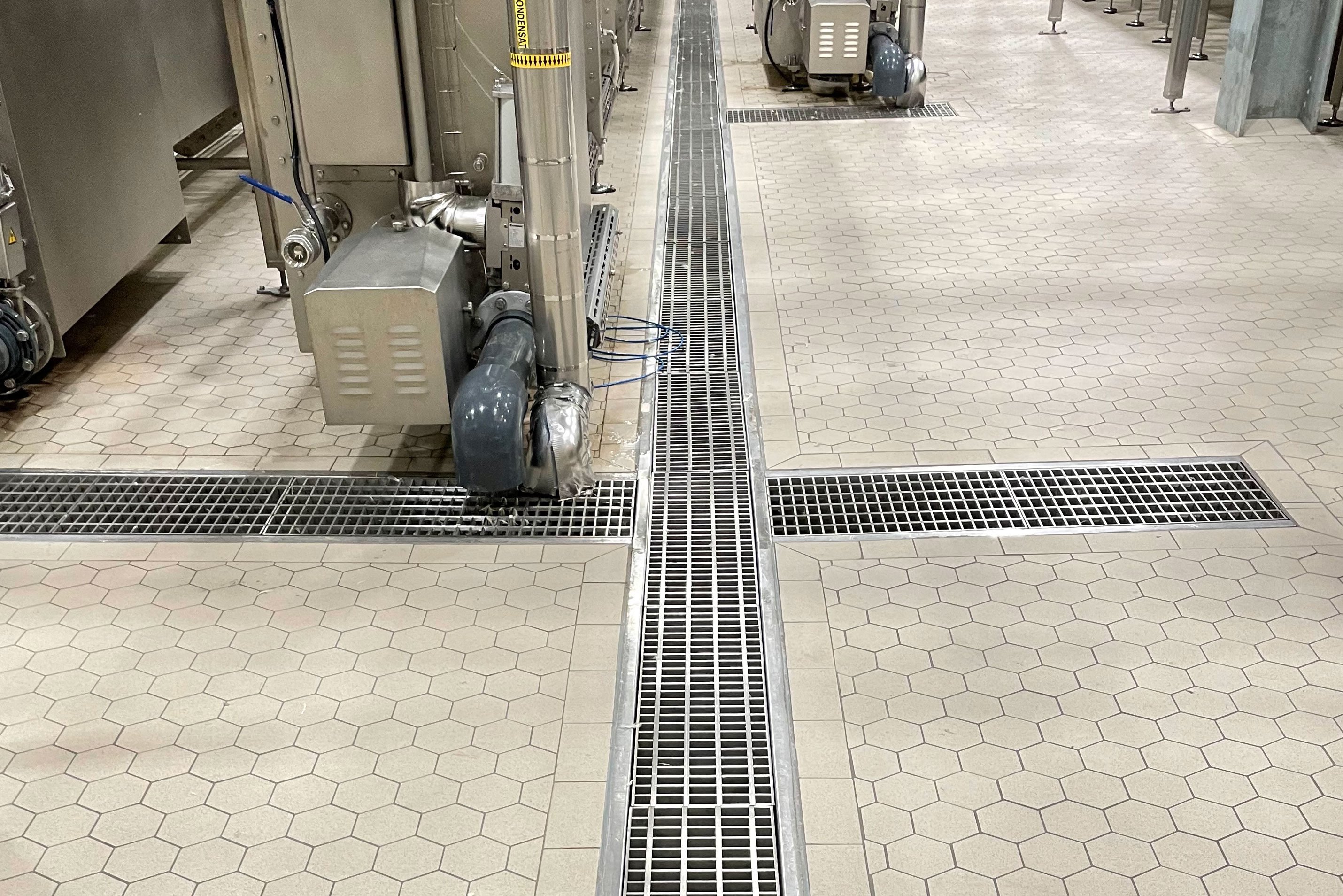
A proactive approach, one that recognizes drains as critical equipment and prioritizes their hygienic design, is essential for modern food and beverage facilities. Upgrading to advanced solutions, such as seamless slot and trench drains made from food-grade stainless steel, helps eliminate harborage points, streamlines cleaning, and supports a culture of safety throughout the organization.
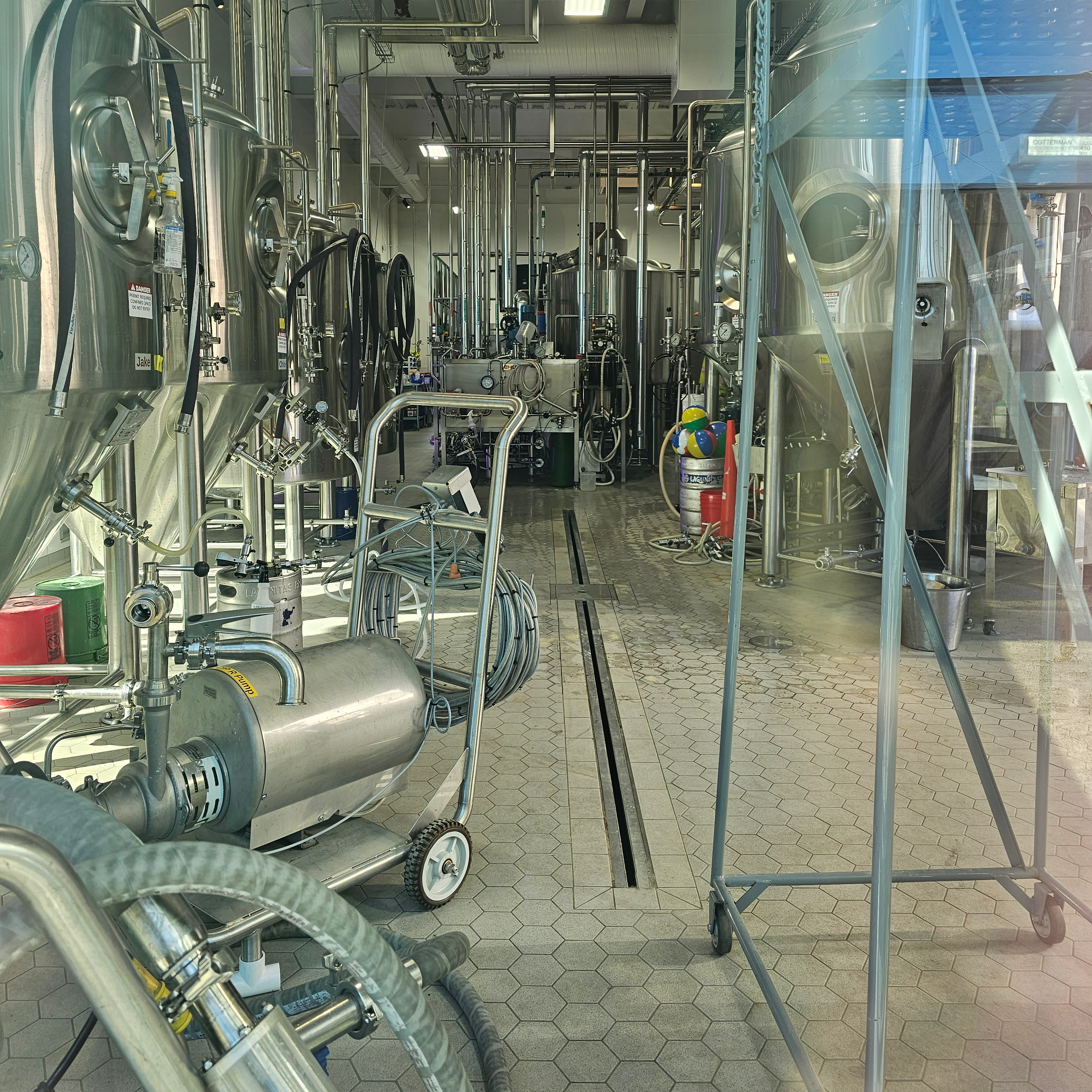
By investing in state-of-the-art drainage systems like those offered by FoodSafe Drains, facilities not only reduce contamination risks but also demonstrate a commitment to operational excellence and consumer protection. Ultimately, the path to robust food safety starts from the ground up, with clean, efficient, and expertly engineered drains forming the foundation for safe, high-quality food production.