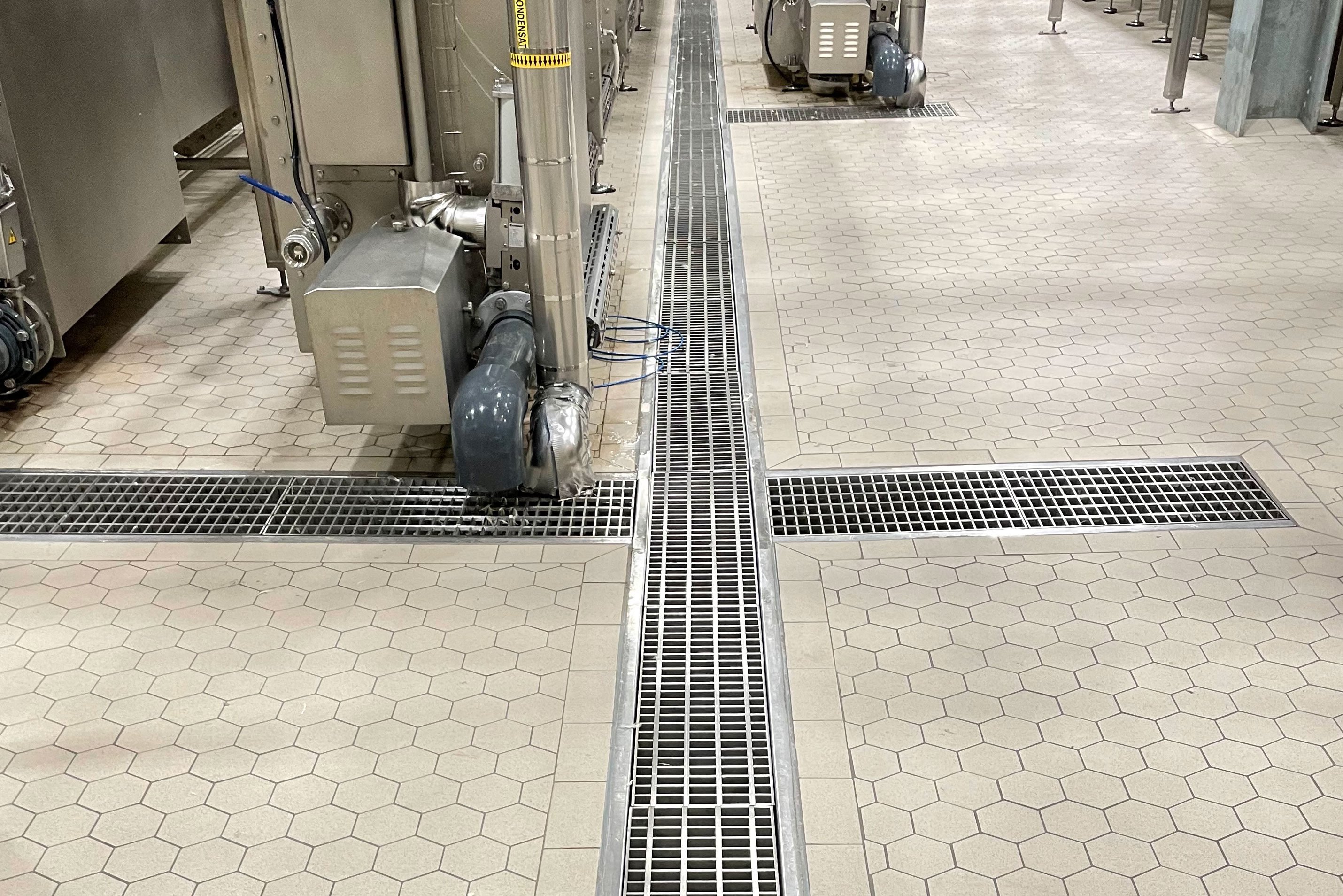
FoodSafe Trench Drains are built for hygienic production environments
Outdated trench drain designs often violate HACCP principles.
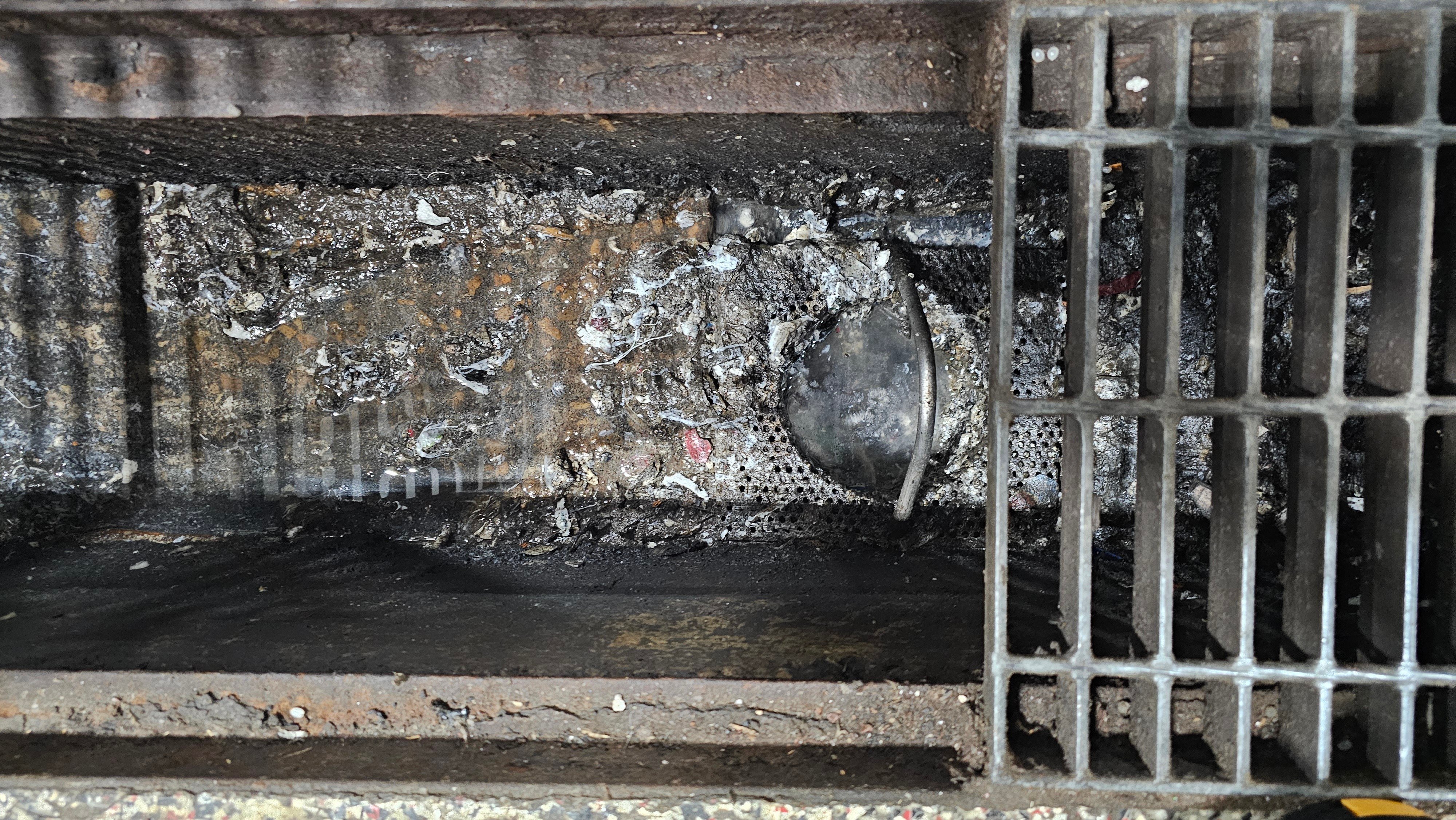
Simple channel drains built without hygienic design principles are not safe for modern food production. They are nearly impossible to keep clean. Pathogens can infiltrate the concrete and are nearly Impossible to remove. And damaged grates create physical hazards for workers.
Look for trench drains compliant with NSF/ANSI/3-A standards.
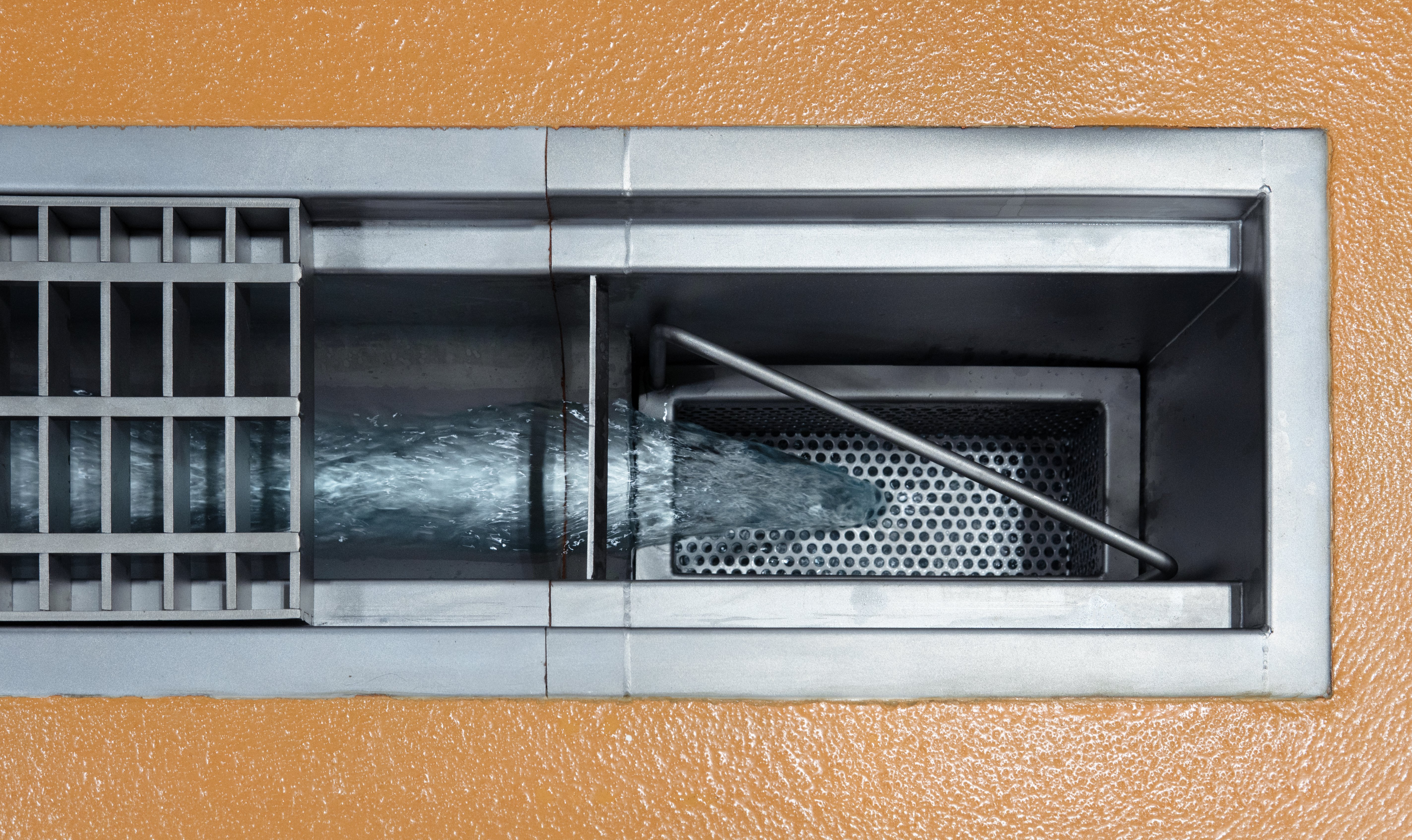
The FoodSafe Drains Trench Drain features:
- Stainless Steel Construction and Hygienic Design
- Durability and Corrosion Resistance
- Solids Management Systems
- Heavy Duty Load Class Rating
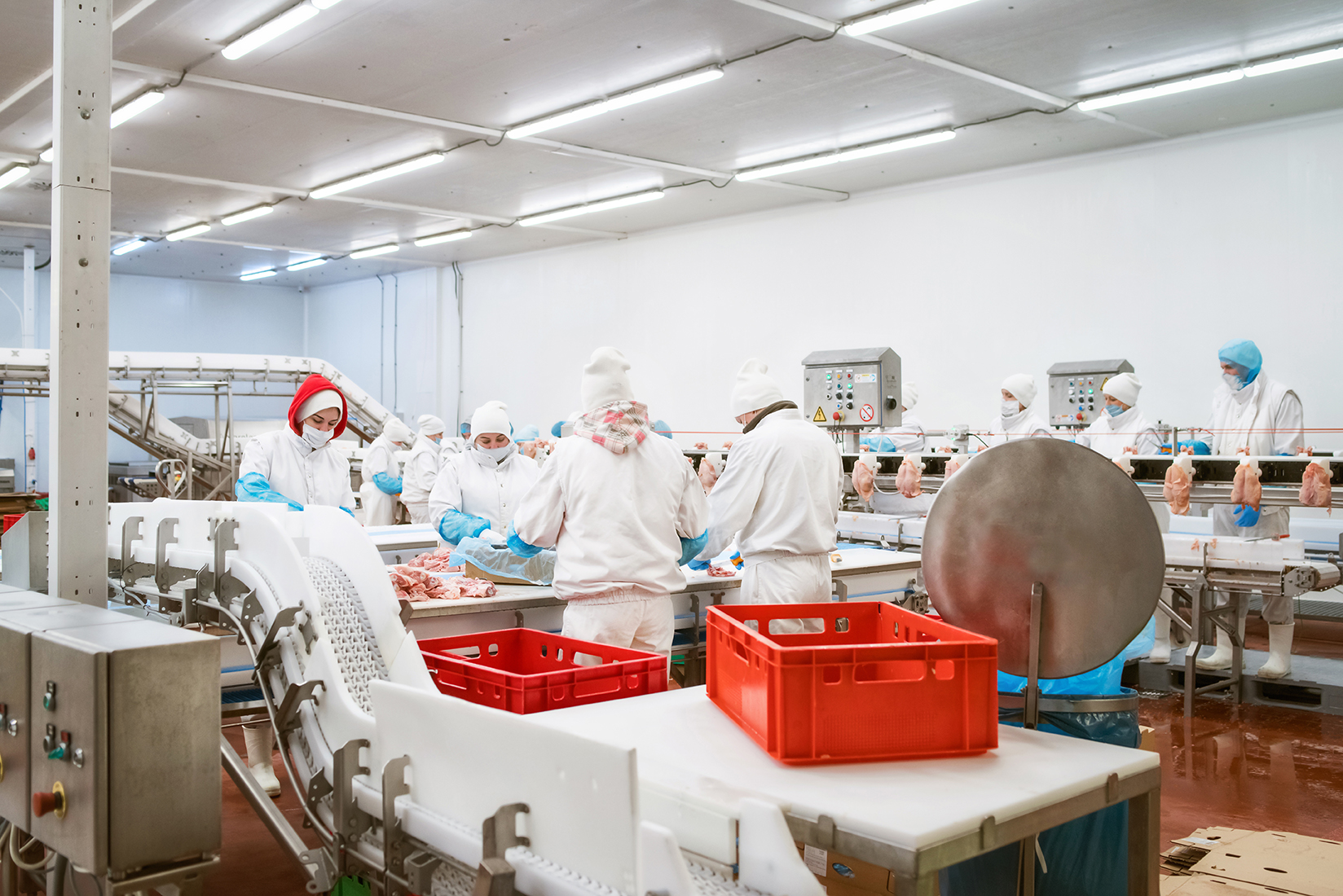
These features make the FoodSafe Drains Trench Drain suitable for use in hygienic preparation, processing and packaging zones.
Trench Drains for Solids
Facilities that handle lots of solids during production, like fruit and meat processing plants, often use trench drains. Workers wash solids that drop on the production floor into the drain for disposal management. Linear drain systems, like trench drains, are ideal for managing solids. They provide accessible drain channels across the production floor.
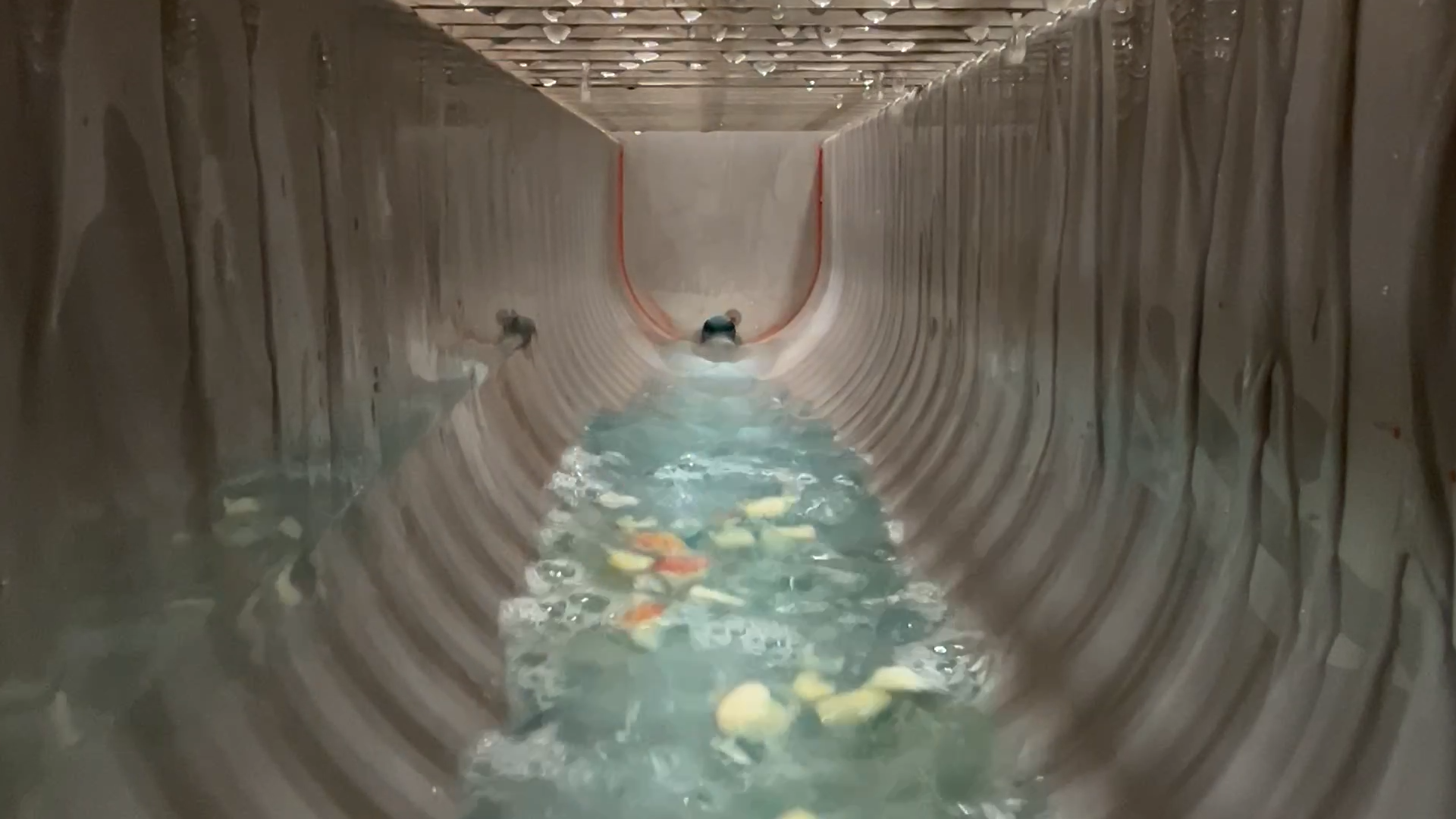
To prevent solids from becoming trapped and building up in the drain FoodSafe Drains follows USDA compliant design processes. These include welded or sealed joints, rounded corners and pre-sloped drain bodies. This no-niche layout prevents debris buildup and bacteria growth.
Catch Basins and Strainer Baskets
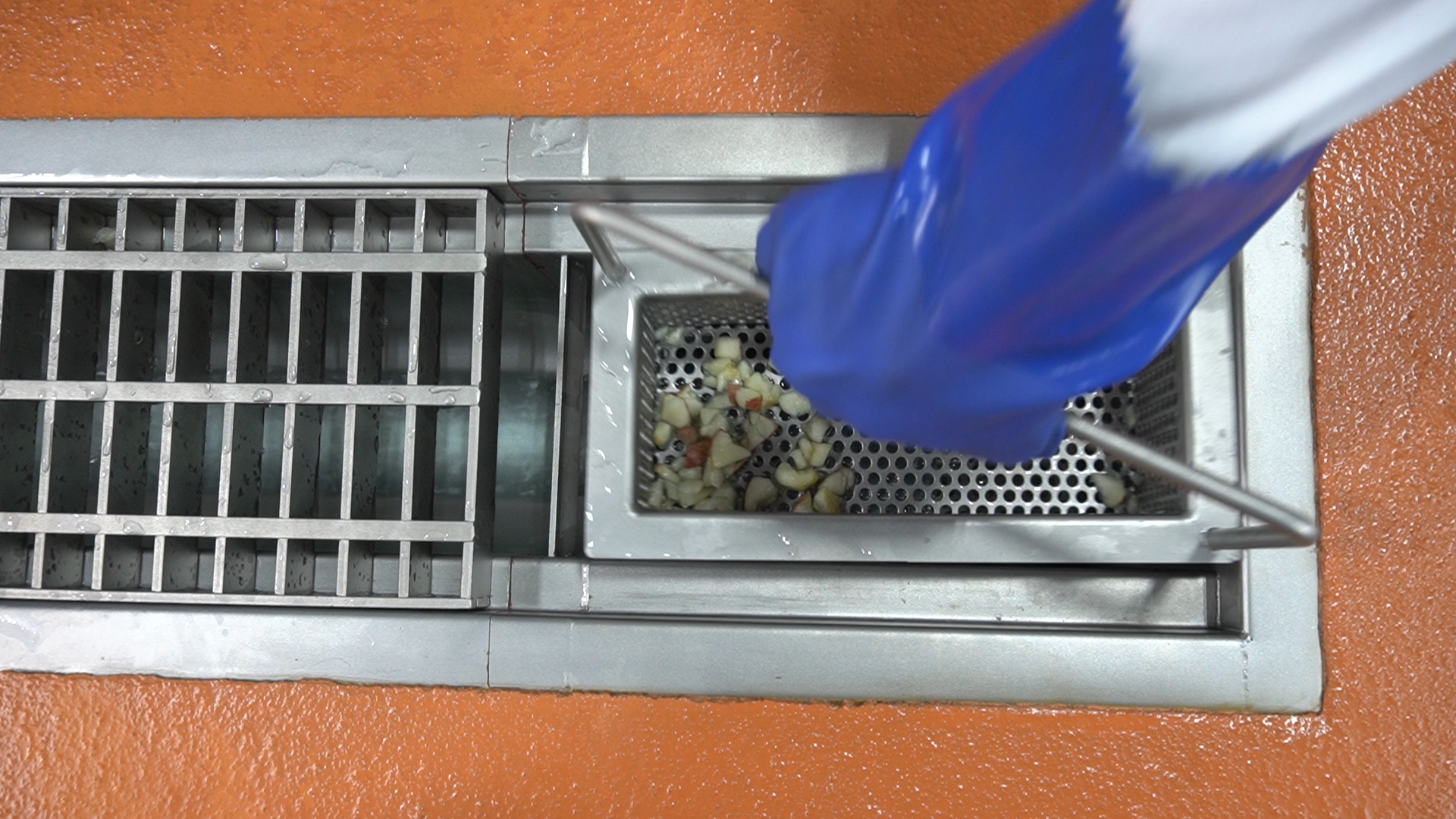
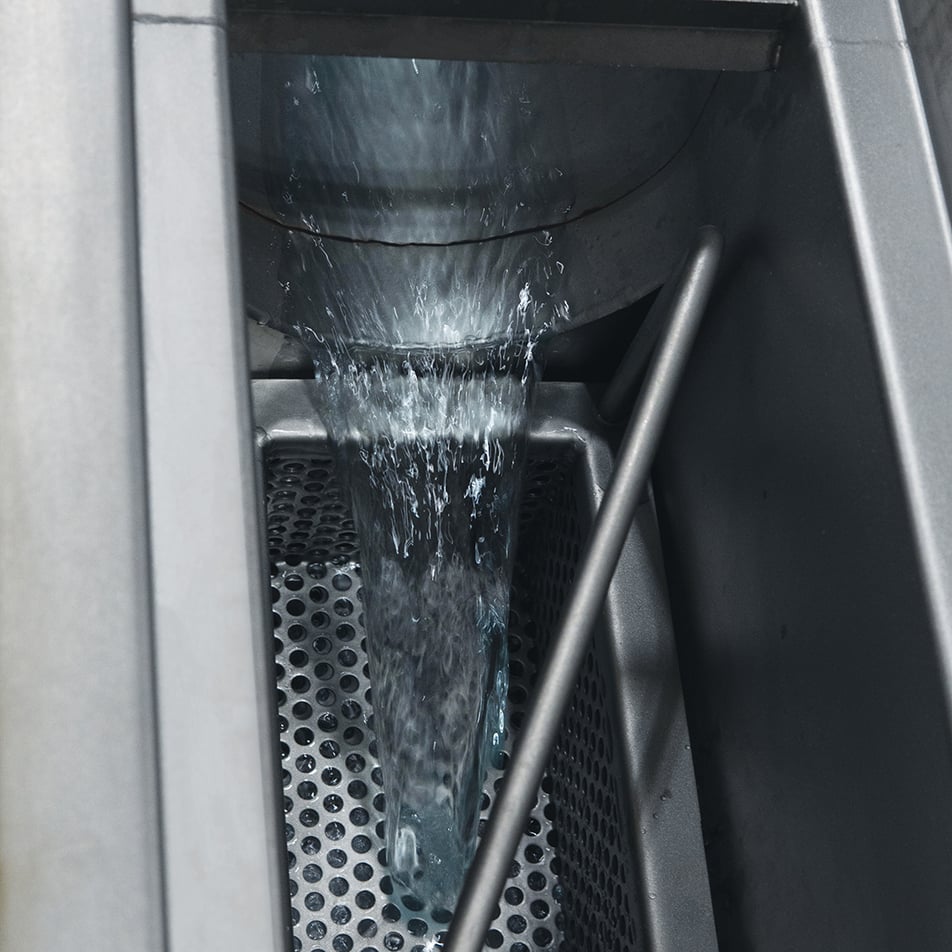
Catch basins and strainer baskets are part of a working solids management system. Without them Trench Drains have difficulty complying with HACCP principles. Catch basins attach to the deepest flange of the drainage run. They transfer liquids between surface and subsurface drainage. They feature a bottom or side outlet to connect to waste piping.
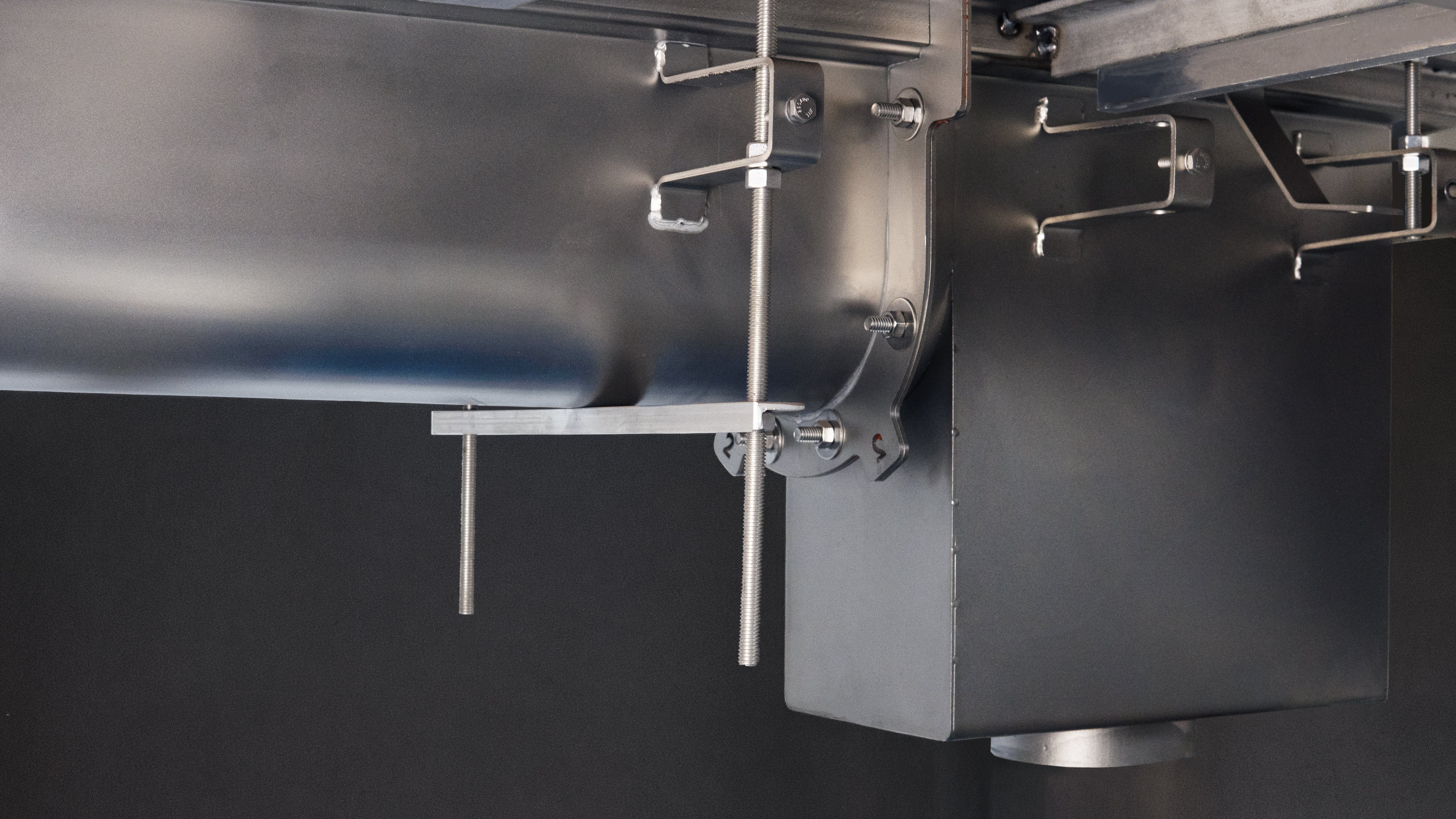
Catch basins are outiftted with strainer baskets allowing workers to regularly clear debris from the system. Strainer baskets prevent solids from entering the underground plumbing. They should fit snugly in the catch basin. Strainer baskets should have perforations that match the material they will filter. Having perforations that are either too large or too small can cause blockages and sanitary issues.
Secondary locking strainers fit under a strainer basket in a catch basin. They prevent blockages in underground plumbing and piping. Our clients have found secondary locking strainers useful. They help to stop employees from washing foreign objects down the drain.
Trench Drains for High Volumes of Liquids
Trench Drains are often used in areas that experience high volumes of liquids. Slot Drain Systems can accept a maximum of 27 gallons per minute (gpm) per foot of drain. Area drains have a limited ability to accept sudden large volumes of water. A wide trench drains on the other hand can accept and manage 200+ gpm per foot of drain.
Their capacity makes trench drains ideal for handling lots of water over a short period. Our clients install them in areas where they will be dumping kettles, or emptying brew tanks.
Durability and Material Selection
FoodSafe Drains always uses T304 or T316 stainless steel in hygienic trench drain design. These materials have high durability, cleanability and corrosion resistance. Galvanized steel works well for industrial trench drains, but we do not use it for hygienic production drains.
Stainless Steel (specifically T304 and T316 stainless steel) can withstand temperatures between 750- 1450°F (400-800°C). These materials do not degrade after repeated exposure to high temperatures.
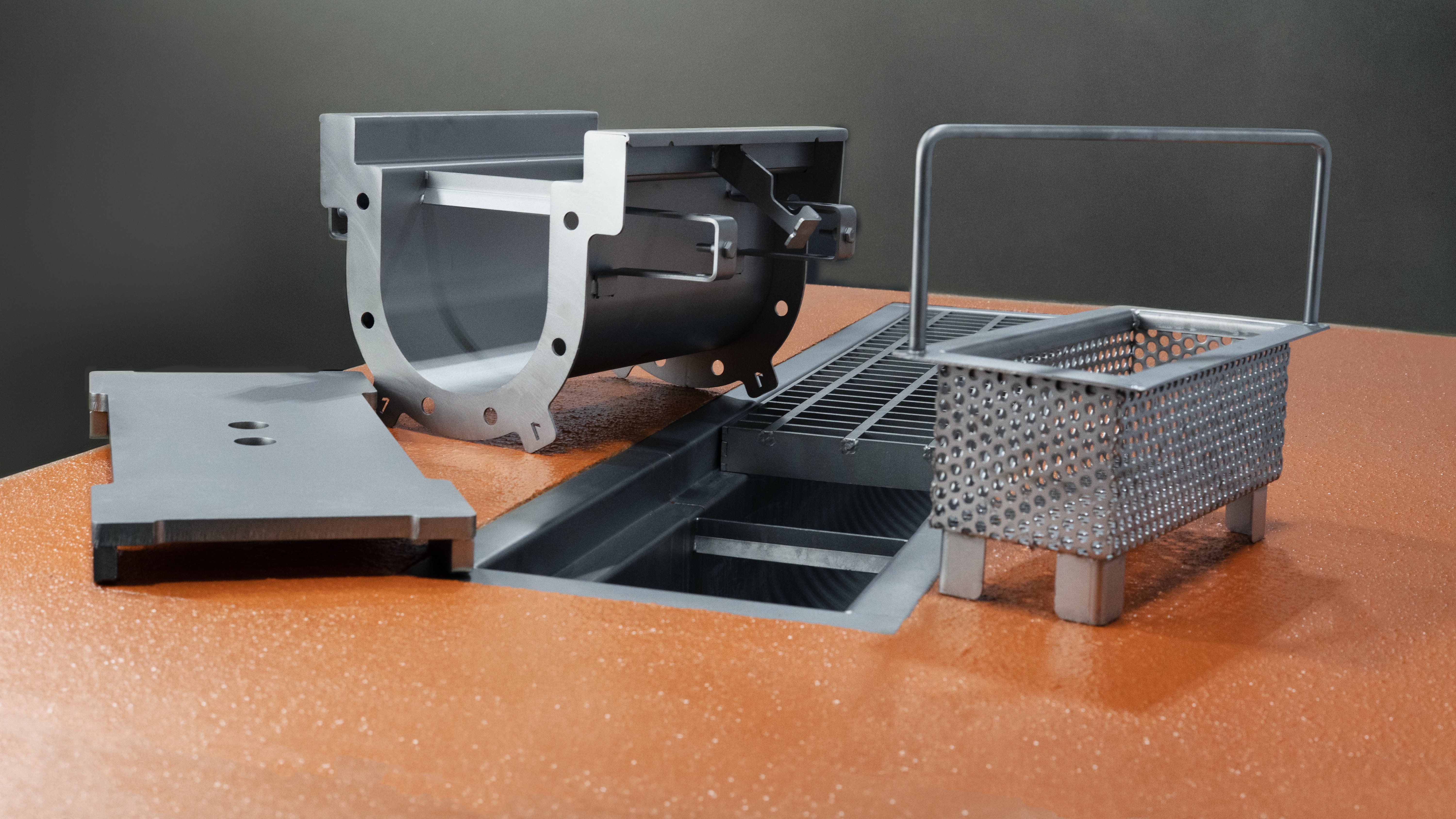
Stainless steel is largely unaffected by the corrosive and caustic chemicals used to clean food processing facilities. Its composition as a chromium alloy allows it to withstand extreme sanitizing procedures. This meets the stringent standards of industries with zero tolerance for bacterial contaminants.
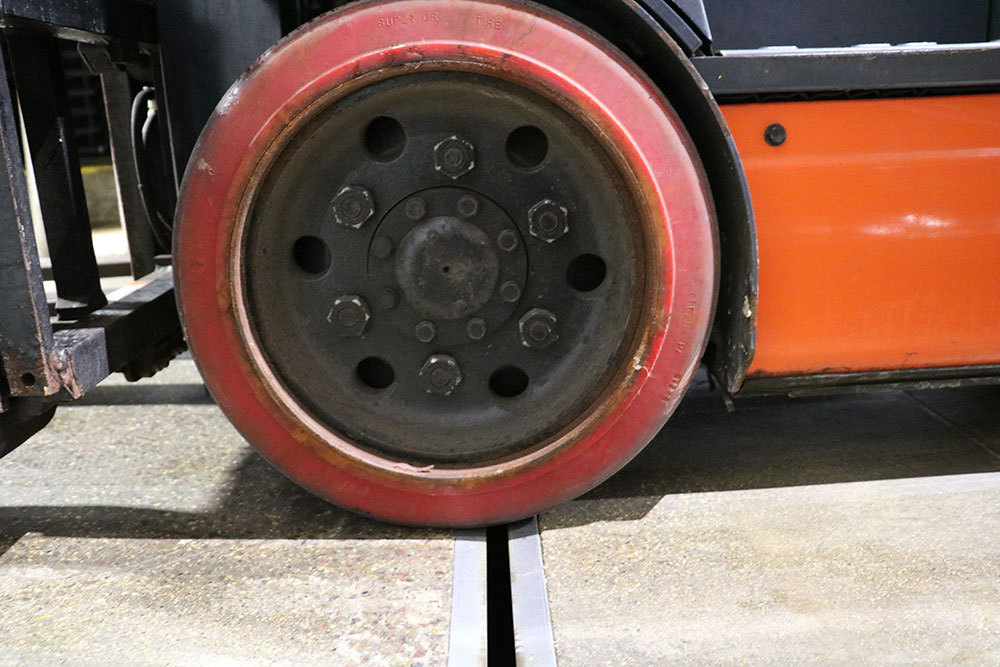
Stainless steel does not experience brittleness or cracking. It can, under proper conditions, withstand loads in excess of 100,000 pounds per square foot. The load rating of a stainless steel trench drain is dependent on the material gauge as well as the design engineering of the drain.
To withstand heavy vehicles proper installation is a must. Our trench drains feature embeds that allow them to integrate with the surrounding concrete. Combined with our installation detail and rebar schedule this makes them suitable for forklift traffic.
FoodSafe Trench Drain load ratings range from light duty for pedestrians to heavy duty for forklifts. Please refer to our Load Class chart for more information.
Trench Drain Body Styles
The FoodSafe Round Bottom Trench Drain
 is our number one recommended trench drain for food and beverage environments. The round bottom creates a no-niche environment that eliminates bacterial harborage points making this drain safe and sanitary.
The FoodSafe V Bottom Trench Drain
 is our second most recommended trench drain for food and beverage. Certain environments prefer the angled V-bottom. This design promotes the fast flow of liquids and solids within the drain.
The FoodSafe Flat Bottom Trench Drain
 is recommended only for specific applications. The flat bottom requires more manual cleaning than our other designs. However, processors request this drain for certain specialized applications.
Trench Drain Grates
FoodSafe Drains offers multiple grates styles including: solid grates, bar grates and anti-slip grates.
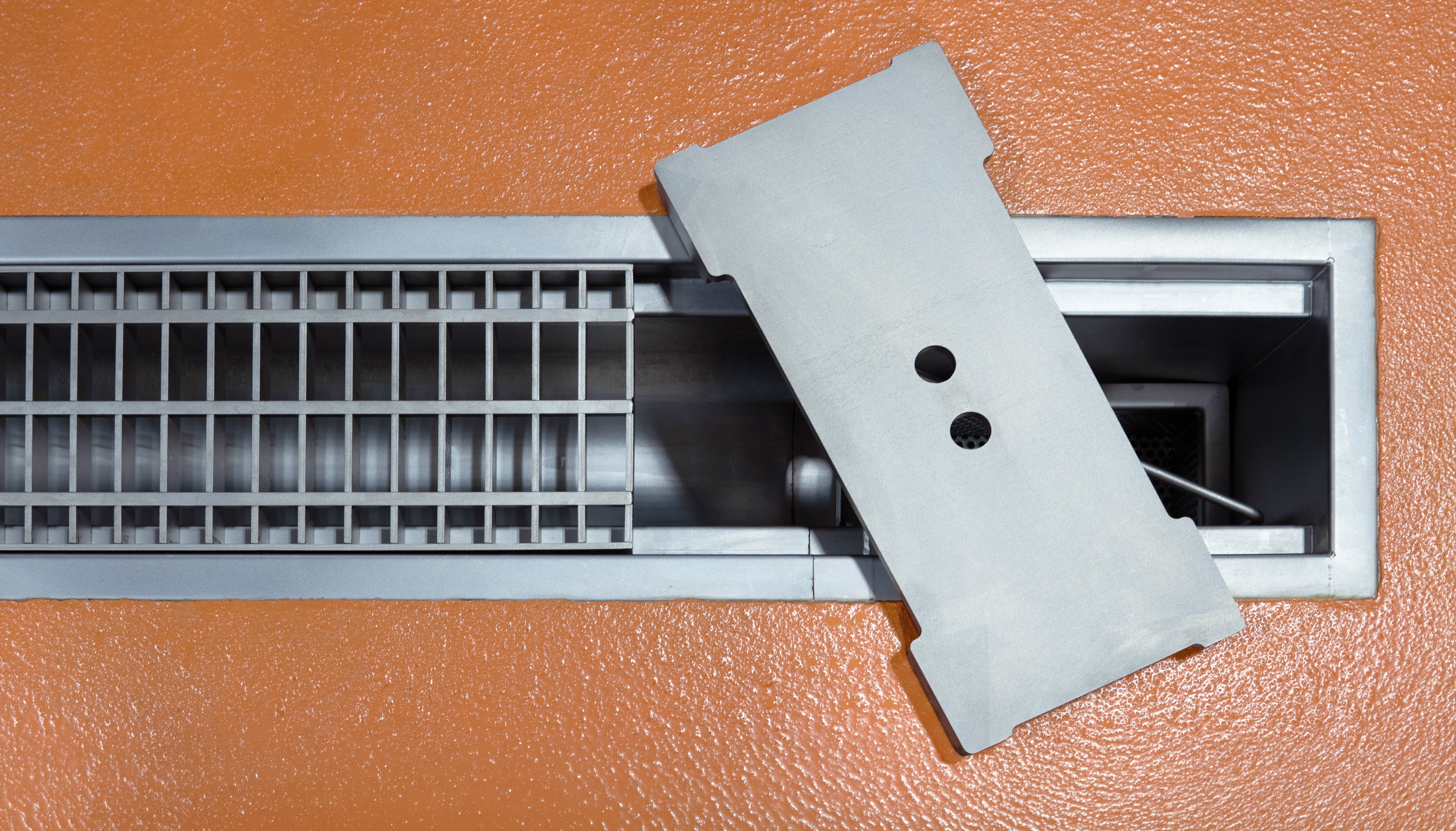
Choosing the proper grate style is important as grates affect the functionality of the trench drain. For high solids environments consider bar grates. While solid grates are more suitable for high traffic areas.
Grates must always be optimized to be easily cleaned by staff. This means straightforward designs that are easy to access with cleaning tools. It also means limiting grate section size to make it easy for workers to remove and replace grates.
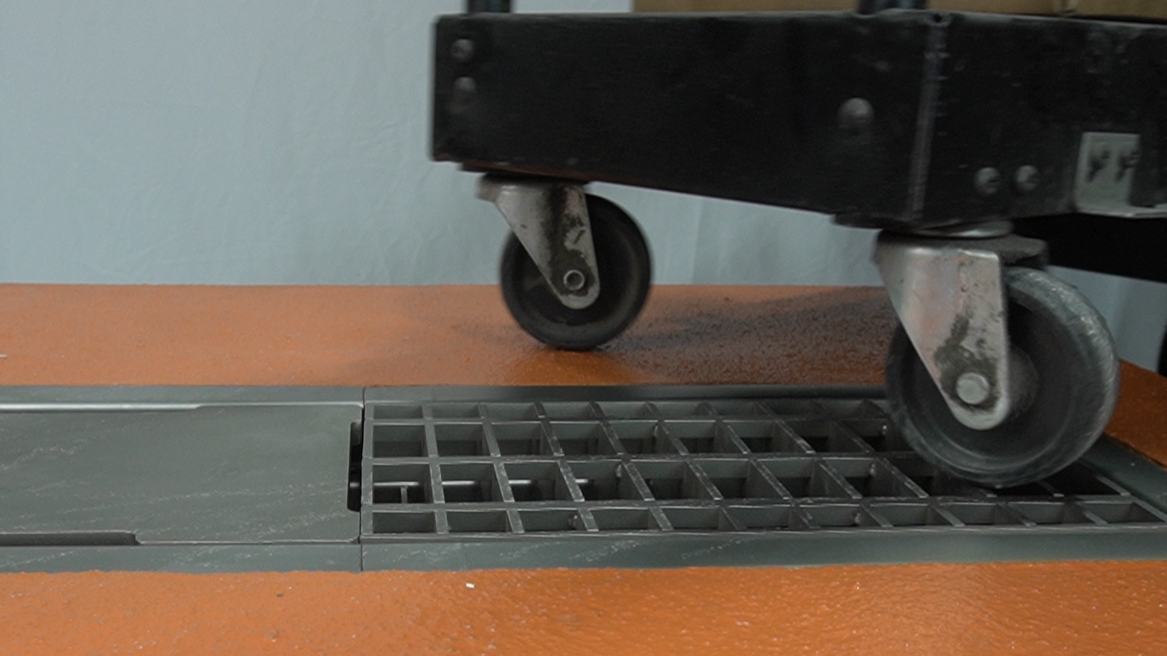
FoodSafe manufactures Trench Drain Grates from T304 or T316 stainless steel for durability. Grates are sturdy and well seated within the trench to prevent them from moving or rattling under traffic.
Pre-sloped Drain Body
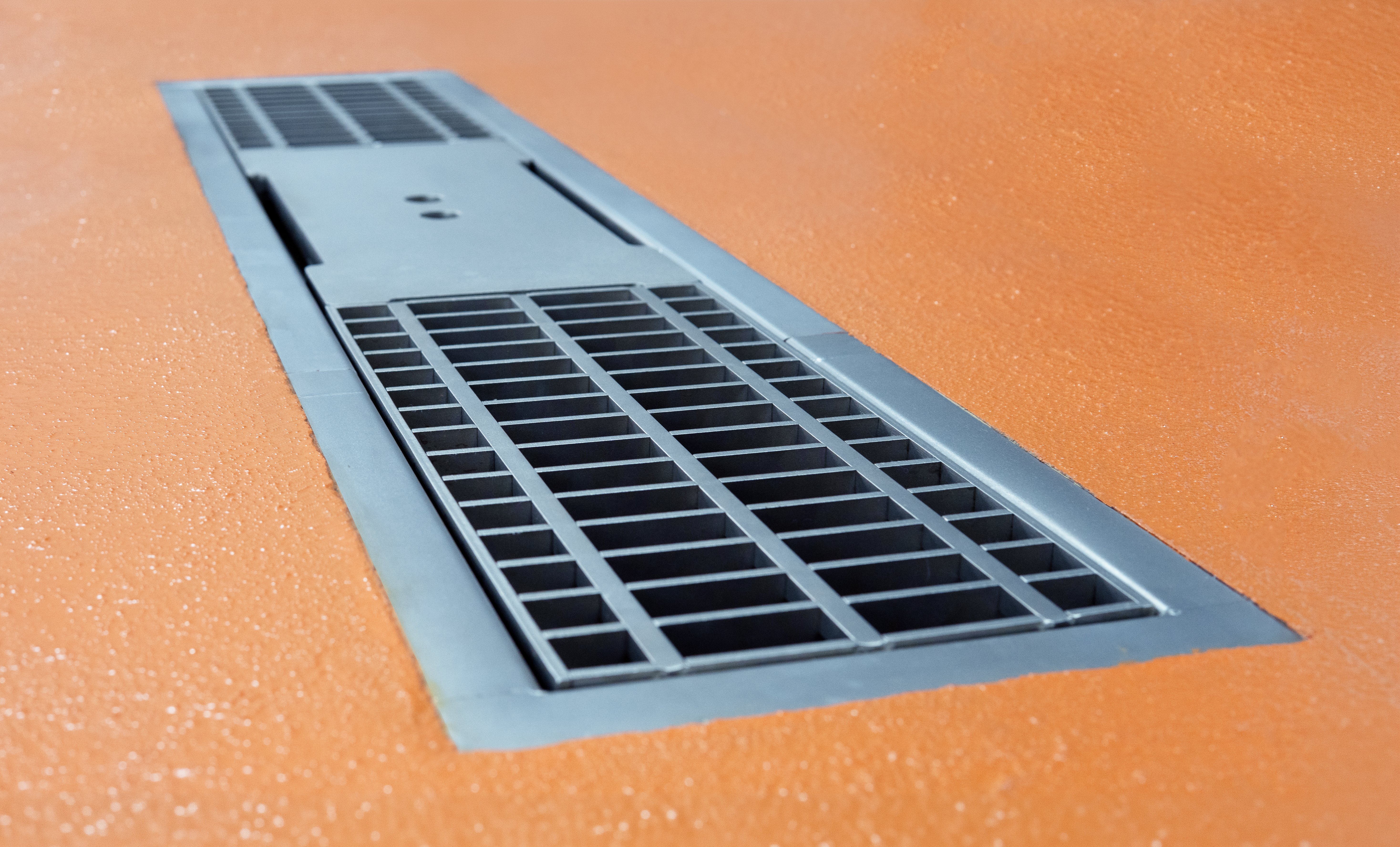
A pre-sloped drain is a linear drain that has a built-in slope. This creates positive drainage from inlet to outlet and eliminates no standing water. FoodSafe Trench Drains feature an integrated 0.5% slope. This means that drain body will get deeper with each section of drain, which affects depth requirements.
In the food and beverage processing industry, manufacturers prefer stainless steel pre-sloped drains to meet hygienic standards. Neutral slope drains collect standing water which promotes bacteria growth. Pre-sloped drains channel water to the outlet carrying debris with it. Giving the drain self-cleaning properties and reducing bacteria growth.
Time Saving Labor Friendly Design
A labor-friendly drainage system is essential for reducing sanitation downtime. Easy to clean drains reduce maintenance hours and lower total cost of ownership. FoodSafe Trench Drains incorporate Clean-in-Place (CIP) and Flush Flo Systems. These systems increase safety and while standardizing cleaning and maintenance procedures.
No-niche designs that eliminate hard corners reduce bacterial harborage points. Smooth rounded drains are easier to clean and maintain. FoodSafe Drains are easy to inspect and scrub simplifying the creation of drain cleaning SSOP's for washdown cycles. Easy to clean stainless steel trench drains prevent the formation of biofilms.
Pair FoodSafe Trench Drains with an ongoing HACCP plan to meet USDA standards. Drains are equipment just like any other piece of production machinery. Creating a hygienic drainage maintenance plan reduces odors and contamination risks. It also supports a cleaner, more pleasant production environment.
Get a Quote on USDA Compliant Trench Drains
Don't let outdated drainage systems compromise your facility's safety and reputation. An improperly designed drain is more than a maintenance headache. It can harbor pathogens and put your product’s integrity at risk.
By upgrading to a FoodSafe Drains Trench Drain system, you choose a solution built for hygiene, durability, and compliance. Our team helps you choose the right drainage for your risk zones. This keeps your production floor safe, clean, and efficient.
Ready to take the next step in securing your facility? Visit our Technical Resource Library for easy specification. For a personalized consultation on the best drain for you, reach out to our expert sales staff today.